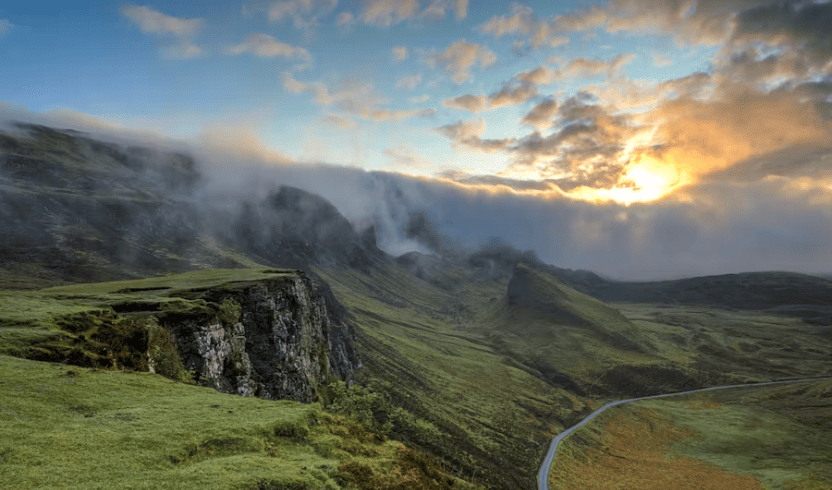
A MIDA case study on Mount Hakusan in Japan, where Biosphere Reserve, World Cultural Heritage and UNESCO Global Geopark designations overlap to sustain snow-clad alpine landscapes together with the living traditions of gassho-zukuri villages.
Description
Mount Hakusan, an active volcano rising 2,702 m on the western edge of Japan's central mountains, was designated a Biosphere Reserve in 1980 and expanded in 2019. Its core centres on the volcano with alpine and subalpine zones, vast beech forests cloak the buffer zone, and scattered mountain villages nestle in the transition areas. More than twenty plant species carry 'Hakusan' in their scientific names, and the area shelters the Japanese serow and the Japanese black bear. The Historic Villages of Shirakawago and Gokayama, a World Cultural Heritage Site since 1995, are now integrated into the expanded transition zone, where steep-thatched gassho-zukuri houses reflect centuries-old traditions of mulberry cultivation and silkworm rearing. The Hakusan-Tedorigawa UNESCO Global Geopark, established in 2023 within the transition area, exposes some 300 million years of Earth history in sedimentary strata and fossils, and runs monthly activities with schools and colleges. Residents maintain the houses through communal roof-thatching known as 'yui' and preserve washi paper-making, the Kokiriko and Mugiya Festivals, and the annual October doburoku sake festival.